before Giovanna’s twelfth year
A Childhood of Affection
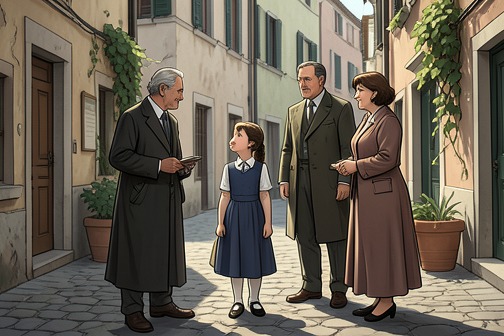
Growing up in the elevated neighborhoods of [Naples](entity:location-recall-location-naples-13ce8e2c4961), Giovanna knows her parents as loving, accomplished people: [Andrea](entity:character-recall-character-andrea-9846246a92e3) is a courteous teacher and scholar, and [Nella](entity:character-recall-character-nella-0c2f30894467) is a thoughtful teacher and proofreader. Andrea’s playful teasing about taking Giovanna’s beautiful hair and features makes her feel cherished, while the family’s carefully educated, orderly world seems secure.
Her father’s estrangement from his relatives is the shadow within that security. Visits to his family are rare and tense, and the name of his sister, [Vittoria](entity:character-recall-character-vittoria-fe5f75dc3454), is spoken with fear and contempt. The contrast between the familiar [Vomero](entity:location-recall-location-vomero-634e4f9fb11a) and the poorer districts below Naples leaves Giovanna with the sense that her father’s origins belong to another, threatening city.
about two years before Giovanna leaves home
A Decline at School
At nearly thirteen, Giovanna’s schoolwork abruptly deteriorates. She studies until exhausted but cannot recover her earlier success, and [Nella](entity:character-recall-character-nella-0c2f30894467) returns from speaking with her teachers worried about the change. [Andrea](entity:character-recall-character-andrea-9846246a92e3) responds by saying that Giovanna is getting [Vittoria](entity:character-recall-character-vittoria-fe5f75dc3454)’s face, using the family’s old phrase for a danger that threatens everything they have built.
Giovanna overhears the remark through the open door of her room. Because her father’s love and praise have been her strongest assurance, the comparison devastates her: she takes it as a judgment that she is becoming ugly and perhaps morally tainted. Nella weakly denies the resemblance but cannot reassure her, and Giovanna resolves to find out what Vittoria really looks like.
the morning after Andrea’s remark
The Blacked-Out Photographs
Searching the family albums, Giovanna finds no photograph of [Vittoria](entity:character-recall-character-vittoria-fe5f75dc3454), only a few pictures of [Andrea](entity:character-recall-character-andrea-9846246a92e3)’s relatives. In several, Andrea has drawn precise black rectangles over people standing beside him. Giovanna is convinced that one of the erased figures is his sister and carefully scrapes at the ink, but only the white photograph paper remains.
A surviving image of young Andrea shows his happiness and the shadows of people he removed from view. The photographs make erasure tangible: the family has not merely forgotten Vittoria but deliberately tried to delete her. Giovanna becomes more watchful of her own changing face, searching it for signs of the aunt her father has taught her to fear.
the weeks after Giovanna overhears Andrea
The Mirror and the Friends
Giovanna examines herself obsessively, turning puberty’s changes into evidence that [Vittoria](entity:character-recall-character-vittoria-fe5f75dc3454) is appearing in her body. She lists her supposedly defective features, compares herself with her parents, and tries to believe that anxiety can make a person look ugly only temporarily. [Angela](entity:character-recall-character-angela-8ec06be0ea1a) and [Ida](entity:character-recall-character-ida-af62302a8868) reassure her, although their answers cannot quiet her fear.
At dinner, [Mariano](entity:character-recall-character-mariano-685c1a243e3c) teases Giovanna about her hair and her grim expression. In private, Angela and Ida say she is physically pretty but looks ugly when anxious. Their explanation briefly comforts her, but the comparison with Vittoria continues to feed a crisis in which beauty, goodness, and belonging seem inseparable.
soon after the photograph search
Nella Explains the Family Feud
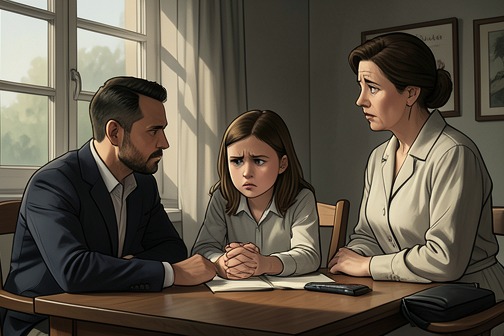
[Nella](entity:character-recall-character-nella-0c2f30894467) realizes Giovanna has heard the conversation and explains the family’s version of [Andrea](entity:character-recall-character-andrea-9846246a92e3) and [Vittoria](entity:character-recall-character-vittoria-fe5f75dc3454)’s history. She says Vittoria envies her brother’s education, work, marriage, friends, and daughter, and resents his success as a personal insult. According to Nella, Andrea once intervened to stop Vittoria from ruining her life with [Enzo](entity:character-recall-character-enzo-e10ddc20fe9d), a married policeman with three children, but Vittoria repaid his help with hatred.
Nella describes the siblings’ estrangement as nearly impossible to heal: Vittoria would accept peace only if Andrea became mediocre. She also says that Andrea and Nella have long used Vittoria’s face as a private warning when one of them fears losing what they have made. Giovanna hears the explanation but remains fixated on the question of whether her own face is changing into her aunt’s.
the days after Nella’s explanation
Giovanna Demands a Meeting
Giovanna asks to meet [Vittoria](entity:character-recall-character-vittoria-fe5f75dc3454). [Nella](entity:character-recall-character-nella-0c2f30894467) says she must discuss it with [Andrea](entity:character-recall-character-andrea-9846246a92e3), but the promised conversation is delayed by his work and their reticence. When Giovanna presses her, Nella offers a street atlas and suggests she could learn the route and go alone, a startling concession from parents who usually supervise her closely.
Feeling dismissed and suddenly deprived of their protection, Giovanna decides she will find the address herself. She discovers Vittoria’s telephone number in the family address book and dials it, but the rough, forceful voice that answers frightens her into hanging up just as Andrea returns home. Her curiosity has become an act of secrecy, even before she has met her aunt.
shortly after Giovanna calls Vittoria
A Visit Is Arranged
[Andrea](entity:character-recall-character-andrea-9846246a92e3) notices the open address book and speaks privately with [Nella](entity:character-recall-character-nella-0c2f30894467) before approaching Giovanna. He tells her that his remark was not meant to wound her and promises to take her to see [Vittoria](entity:character-recall-character-vittoria-fe5f75dc3454) on Sunday. He warns that Vittoria will try to turn Giovanna against him, and begs her not to listen, invoking the story of Odysseus and the Sirens.
Giovanna embraces her father but notices an unfamiliar smell on him and feels a surprising excitement at the thought that he might be becoming a stranger. Nella helps her study the map, yet Giovanna secretly memorizes the route through the lower city. As the visit approaches, fear and anticipation alternate; she even wonders whether she still wants to go.
Sunday after several days of rain
Giovanna Meets Vittoria
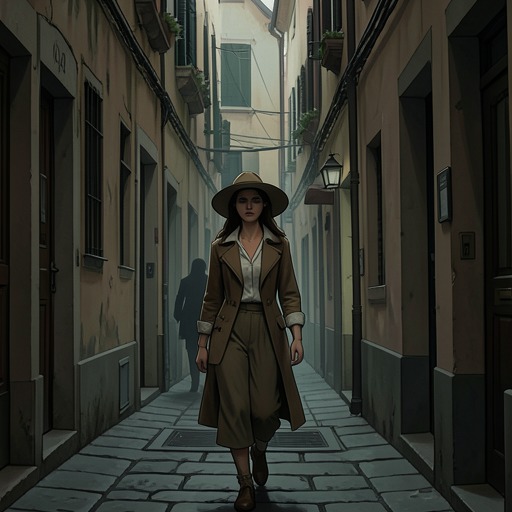
[Andrea](entity:character-recall-character-andrea-9846246a92e3) drives Giovanna through industrial outskirts to the decaying apartment building where he grew up and where [Vittoria](entity:character-recall-character-vittoria-fe5f75dc3454) still lives. He tells her that his family was poor, then waits outside as she climbs broken stairs and rings the doorbell. Vittoria opens the door in blue, cigarette in hand, tall and physically imposing.
She rejects Giovanna’s address of “aunt,” ordering her to turn around if she uses it again. Giovanna is frightened, but the face she had imagined as monstrous proves striking and difficult to call ugly. The first encounter overturns the picture her parents have constructed without yet telling her which account of the family is true.
the first Sunday visit
The First Secret Visit
In [Vittoria](entity:character-recall-character-vittoria-fe5f75dc3454)’s small home, Giovanna drinks freshly squeezed orange juice while her aunt asks about a bracelet she says she gave the child at birth. Giovanna has never seen it. Vittoria blames [Andrea](entity:character-recall-character-andrea-9846246a92e3) for erasing people and memories, then tells Giovanna that she once wanted to become a dancer but that her brother discouraged her and controlled what she was allowed to want.
Vittoria describes her love for [Enzo](entity:character-recall-character-enzo-e10ddc20fe9d) as the one great event of her life and insists that Andrea destroyed it. She plays the record of the dance they first shared and makes Giovanna dance on her feet, then asks her to tell Andrea exactly what happened. For Giovanna, the warmth and physical closeness of the dance make Vittoria’s world newly compelling, even as her father’s account remains present in her mind.
May 23
The Cemetery Anniversary
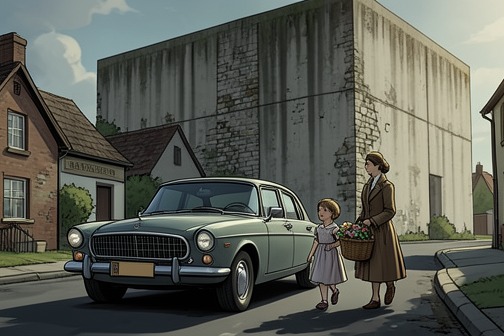
On the anniversary of the day [Vittoria](entity:character-recall-character-vittoria-fe5f75dc3454) met [Enzo](entity:character-recall-character-enzo-e10ddc20fe9d), she arrives unexpectedly at Giovanna’s home and takes her away before school. [Andrea](entity:character-recall-character-andrea-9846246a92e3) lets Giovanna go after learning she had agreed to the visit, while [Nella](entity:character-recall-character-nella-0c2f30894467) watches uneasily. The sudden departure is Giovanna’s first direct deception of her parents, though she has not yet learned how to manage the guilt that follows.
Vittoria drives them to the cemetery, buys flowers, and shows Giovanna Enzo’s grave. She calls him a good and just man and says Andrea was the criminal who separated them. In recounting the dispute over the family home, Vittoria says Andrea insulted Enzo and then told Enzo’s wife, [Margherita](entity:character-recall-character-margherita-45022f15da1b), about the affair in front of their children.
during the May 23 cemetery visit
Vittoria’s Account of Enzo
At [Enzo](entity:character-recall-character-enzo-e10ddc20fe9d)’s grave, [Vittoria](entity:character-recall-character-vittoria-fe5f75dc3454) tells Giovanna that Enzo died of grief a few months after their relationship ended and accuses [Andrea](entity:character-recall-character-andrea-9846246a92e3) of having killed him by forcing the separation. She says [Margherita](entity:character-recall-character-margherita-45022f15da1b) eventually took Enzo back and later accepted Vittoria’s help in raising the children, sharing grief and affection for the same man.
Vittoria speaks explicitly about the physical passion of her affair and presents it as a life-defining experience, inseparable from sorrow and lifelong fidelity. Giovanna is overwhelmed by the frankness and begins to imagine love as a force that can justify transgression and endure beyond death. The visit leaves her with two incompatible family histories, each told by someone she loves.
the months after the cemetery visit
A New Name and New Relatives
[Vittoria](entity:character-recall-character-vittoria-fe5f75dc3454) becomes a recurring presence in Giovanna’s life. The adults allow the visits, but neither [Andrea](entity:character-recall-character-andrea-9846246a92e3) nor Vittoria welcomes reconciliation with the other. Giovanna begins to relish the private role of Vittoria’s confidante and fears that peace between the siblings would reduce her to an ordinary niece.
Vittoria takes Giovanna to meet Andrea’s other siblings and their families in Cavone, Campi Flegrei, and Pozzuoli. They call her Giannina, welcome her warmly, and treat her as part of their blood family. Giovanna discovers a more relaxed self among them and feels that the name itself has brought another person into being.
during Giovanna’s early visits with Vittoria
Meeting Margherita’s Household
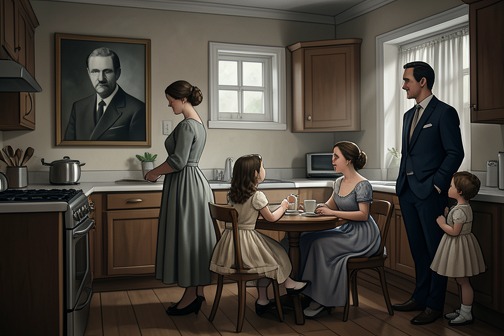
[Vittoria](entity:character-recall-character-vittoria-fe5f75dc3454) brings Giovanna to [Margherita](entity:character-recall-character-margherita-45022f15da1b)’s home, where [Enzo](entity:character-recall-character-enzo-e10ddc20fe9d)’s widow welcomes her alongside their grown children: [Tonino](entity:character-recall-character-tonino-b089f966f6f1), [Giuliana](entity:character-recall-character-giuliana-0e46c84fef64), and Corrado. A large photograph of Enzo in police uniform presides over the kitchen. The household’s ease and affection surprise Giovanna, though she notices that Vittoria holds particular authority and that Corrado is her favorite.
The family’s arguments reveal old tensions beneath their welcome. When Corrado’s friends and a proposed overnight guest become a point of conflict, everyone looks to Vittoria to decide what will happen. Giovanna begins to understand that she has entered a tightly bound family world where love, dependence, resentment, and fear coexist.
the autumn after Giovanna meets Vittoria’s relatives
The Parents Under Watch
[Vittoria](entity:character-recall-character-vittoria-fe5f75dc3454) repeatedly tells Giovanna to look carefully at her parents and report what she sees. Giovanna initially shares small details: [Andrea](entity:character-recall-character-andrea-9846246a92e3)’s different voices, his disdain for dishonest people, [Nella](entity:character-recall-character-nella-0c2f30894467)’s work, and the tension around [Mariano](entity:character-recall-character-mariano-685c1a243e3c). Vittoria is dissatisfied with ordinary gossip and wants signs that Giovanna recognizes her parents’ flaws.
Giovanna begins to spy on the household, noticing Andrea’s complaints about Nella’s spending and Nella’s growing interest in his meetings. She still loves her parents and does not want to betray them, but the pressure to prove intimacy with Vittoria tempts her to embellish what she observes. She is learning to lie by telling selective truths.
one evening that autumn
The Ankle Beneath the Table
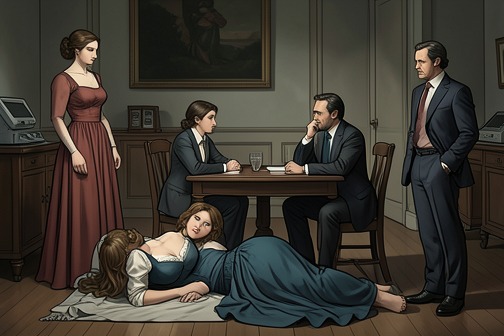
At dinner with [Mariano](entity:character-recall-character-mariano-685c1a243e3c) and [Costanza](entity:character-recall-character-costanza-a23c36f04d5a), Giovanna lies on the floor with [Angela](entity:character-recall-character-angela-8ec06be0ea1a) and [Ida](entity:character-recall-character-ida-af62302a8868) and sees Mariano squeeze one of [Nella](entity:character-recall-character-nella-0c2f30894467)’s ankles between his feet beneath the table. Later, Nella turns her body toward [Andrea](entity:character-recall-character-andrea-9846246a92e3), and the two adults exchange a strained, watchful quiet that Giovanna cannot interpret.
That night, she cannot dismiss the image as harmless play. She imagines [Vittoria](entity:character-recall-character-vittoria-fe5f75dc3454) turning the scene into a sexual accusation and decides not to tell her, but the sight changes how she sees her mother. At the same time, she and Angela share an intimate, comforting night together, their closeness offering a refuge from the frightening adult world around them.
soon after the dinner at Costanza’s home
Giovanna Confides in Vittoria

At a parish charity sale, Giovanna’s distress over the suspected closeness between [Nella](entity:character-recall-character-nella-0c2f30894467) and [Mariano](entity:character-recall-character-mariano-685c1a243e3c) becomes unbearable. She tells [Vittoria](entity:character-recall-character-vittoria-fe5f75dc3454) what she saw and begs her not to tell [Andrea](entity:character-recall-character-andrea-9846246a92e3). Vittoria dismisses the significance of the ankle contact, asking whether Andrea cares about such things, and turns her attention instead to Corrado and a conflict with [Rosario Sargente](entity:character-recall-character-rosario-sargente-3400d0350649).
When Vittoria threatens [Rosario](entity:character-recall-character-rosario-381ff2a9040d) with scissors and pricks his leg, Giovanna sees how readily her aunt’s affection can give way to violence. She fears that Vittoria may use the secret to hurt her parents, yet she has already crossed a boundary by placing the family’s private life in her aunt’s hands.
after the parish charity sale
The Bracelet Changes Hands
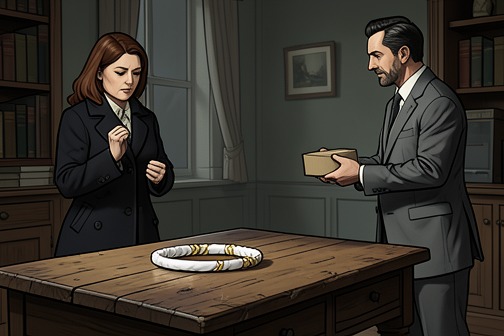
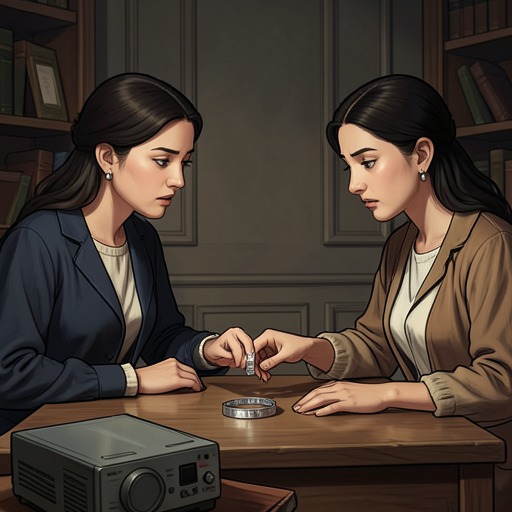
[Vittoria](entity:character-recall-character-vittoria-fe5f75dc3454) does not immediately expose Giovanna’s secret, and Giovanna tries to persuade herself that her family crisis can still be contained. Then [Costanza](entity:character-recall-character-costanza-a23c36f04d5a) arrives alone and returns the white-gold bracelet, saying it had been Giovanna’s all along. [Nella](entity:character-recall-character-nella-0c2f30894467) calls it a return rather than a gift; Costanza’s trembling manner makes clear that the object carries a history she will not explain.
Costanza and [Mariano](entity:character-recall-character-mariano-685c1a243e3c) disappear from the family’s daily life, and the friendship between the two households collapses. [The bracelet](entity:object-recall-object-the-bracelet-2bb27a289a5f) becomes a physical clue linking Vittoria, Costanza, [Andrea](entity:character-recall-character-andrea-9846246a92e3), and an old betrayal. Giovanna does not yet know its full story, but she senses that her parents’ world has broken open.
the days following Costanza’s return of the bracelet
The Friendship Breaks Apart
[Angela](entity:character-recall-character-angela-8ec06be0ea1a) tells Giovanna that [Andrea](entity:character-recall-character-andrea-9846246a92e3) and [Mariano](entity:character-recall-character-mariano-685c1a243e3c) fought violently at [Costanza](entity:character-recall-character-costanza-a23c36f04d5a)’s home. Their argument began like one of their familiar intellectual disputes but ended in shouting, obscenities, and the expulsion of Costanza. Andrea ran after her, while Angela and [Ida](entity:character-recall-character-ida-af62302a8868) watched in fear.
The girls understand that the conflict is about sex rather than Marxism or politics, though they cannot bear to speak directly about their parents’ bodies and betrayals. Giovanna suspects that [Vittoria](entity:character-recall-character-vittoria-fe5f75dc3454) told Andrea what she had revealed about [Nella](entity:character-recall-character-nella-0c2f30894467) and Mariano, but she cannot know how the bracelet and the confrontation fit together. Her childhood faith in the adults’ orderly explanations has become impossible to restore.
at a Sunday lunch after the confrontation
Nella Reveals Andrea’s Other Wife
At lunch, Giovanna asks [Andrea](entity:character-recall-character-andrea-9846246a92e3) whether [Vittoria](entity:character-recall-character-vittoria-fe5f75dc3454) gave her the bracelet and why he had given it to [Costanza](entity:character-recall-character-costanza-a23c36f04d5a). He refuses to answer. [Nella](entity:character-recall-character-nella-0c2f30894467), furious, says that Andrea has had another wife for fifteen years. Giovanna is not surprised; she has already sensed that the adults’ lives contain hidden arrangements, and for a moment she imagines the family could simply accept the truth and return to ordinary life.
Nella immediately denies having another husband, and Andrea leaves the table to sleep in the middle of the day. Before going, he tells Giovanna she really is like his sister. The words sound less like a joke than a verdict, confirming her fear that she has inherited the traits her parents despise.
over the next two years
The Separation Unfolds
[Andrea](entity:character-recall-character-andrea-9846246a92e3) and [Nella](entity:character-recall-character-nella-0c2f30894467) take nearly two years to make their separation official, though they spend much of that time apart. Andrea vanishes for weeks, leaving Giovanna afraid he has died, then returns with familiar affection before the parents resume their quarrels. He eventually lives with [Costanza](entity:character-recall-character-costanza-a23c36f04d5a) in a house in [Posillipo](entity:location-recall-location-posillipo-c8f17aa976c7), while [Mariano](entity:character-recall-character-mariano-685c1a243e3c) and Costanza’s marriage also breaks down.
Giovanna agrees with her parents that she should no longer see [Vittoria](entity:character-recall-character-vittoria-fe5f75dc3454), and Vittoria initially disappears from her life. She later begins calling repeatedly, asking for Giannina, but Giovanna refuses to answer. The old bracelet, left in a drawer, remains an object of anxiety and speculation: every possible account of who owned it exposes another layer of deception.
during the period of separation
The Bracelet’s Hidden History
[Nella](entity:character-recall-character-nella-0c2f30894467) finds Giovanna’s bracelet and tells her that [Vittoria](entity:character-recall-character-vittoria-fe5f75dc3454) says it belonged to their mother, who left it to her. [Andrea](entity:character-recall-character-andrea-9846246a92e3)’s version is different: he says he paid Vittoria for the bracelet after learning she planned to sell it. Giovanna does not trust either account, and she imagines the siblings fighting over it at their mother’s deathbed.
Nella finally locates a hidden photograph in an old dictionary. It shows young Andrea and Vittoria beside [Enzo](entity:character-recall-character-enzo-e10ddc20fe9d) and their mother, who is wearing the bracelet. Giovanna recognizes it at once, while Nella had never noticed it. The image confirms the object’s family origin but deepens the uncertainty about why Andrea took it and gave it to [Costanza](entity:character-recall-character-costanza-a23c36f04d5a).
the winter and spring after Andrea leaves home
Giovanna Withdraws from School
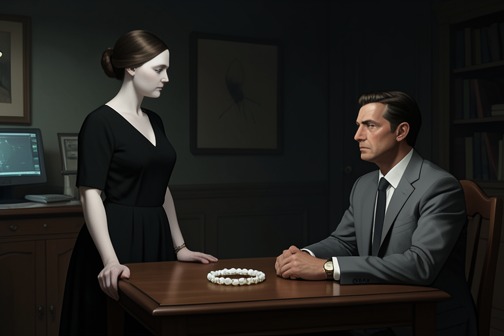
After [Andrea](entity:character-recall-character-andrea-9846246a92e3) disappears from the family home, Giovanna believes he has left because her face repels him. She stops studying, reads novels, watches television, wears black, and isolates herself in the parks and stairways that recall her childhood. [Angela](entity:character-recall-character-angela-8ec06be0ea1a) and [Ida](entity:character-recall-character-ida-af62302a8868) are also caught in their parents’ upheaval, and Giovanna withdraws from them.
When [Nella](entity:character-recall-character-nella-0c2f30894467) discovers that Giovanna has failed her first year of high school, she takes her to the teachers and asks for an explanation. The school records show poor grades and many absences, often spent at the [Floridiana](entity:location-recall-location-floridiana-e77ffd1bfab5). Nella wants to conceal the failure from others, but Giovanna sees it as the only mark that distinguishes her from the accomplished adults around her.
the summer after Giovanna fails
Corrado’s First Visit
During a lonely afternoon, Corrado appears at Giovanna’s door. His teasing restores a lightness she thought she had lost, and they joke about school, sex, and his siblings. The exchange gives Giovanna a pleasurable sense of transgression, especially because she is alone with an older boy in defiance of the rules her parents set.
Corrado touches himself and guides Giovanna’s hand, turning their joking into a sexual encounter that she experiences mainly through laughter, curiosity, and unease. Before leaving, he remembers the real reason for his visit: [Vittoria](entity:character-recall-character-vittoria-fe5f75dc3454) has sent a letter demanding the bracelet. Her demand pulls Giovanna back into the family conflict even as Corrado has opened a new, unstable route to sexual experience.
the following school year
Giovanna Visits Costanza’s Birthday
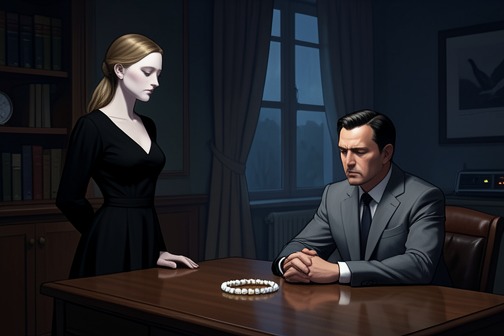
[Costanza](entity:character-recall-character-costanza-a23c36f04d5a) collects Giovanna from school and takes her to [Angela](entity:character-recall-character-angela-8ec06be0ea1a)’s birthday gathering at the [Posillipo](entity:location-recall-location-posillipo-c8f17aa976c7) home. Giovanna is glad to see her friends but feels like an intruder in the elegant house and uneasy about the life her father has built there. Costanza asks her to remove the bracelet because the girls do not know she gave it to her.
Angela describes her relationship with [Tonino](entity:character-recall-character-tonino-b089f966f6f1), while Giovanna’s bitterness and isolation turn the conversation into a contest of injury. She lies about her sexual experiences and calls herself a whore, then resents Angela for being loved and successful. When [Andrea](entity:character-recall-character-andrea-9846246a92e3) arrives, Giovanna’s anger at him and the household spills into the party, and she wears the bracelet openly to provoke him.
the evening of Ida’s birthday
The Bracelet Confrontation
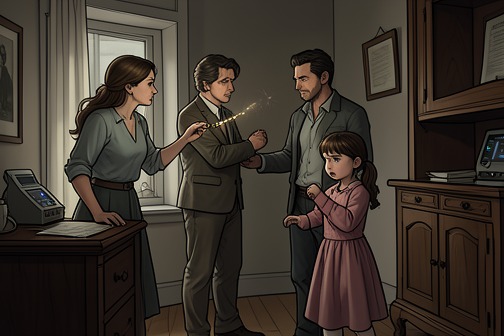
When [Angela](entity:character-recall-character-angela-8ec06be0ea1a) and [Ida](entity:character-recall-character-ida-af62302a8868) ask why [Costanza](entity:character-recall-character-costanza-a23c36f04d5a)’s bracelet is on Giovanna’s wrist, [Andrea](entity:character-recall-character-andrea-9846246a92e3) orders his daughter to return it. Costanza says the bracelet is Giovanna’s, but Andrea’s cold command and the girls’ distress push Giovanna into defiance. She tells the truth about having failed the year and says she cannot give a family heirloom to strangers.
Andrea’s anger confirms that the object is bound to more than a casual gift. Giovanna throws the bracelet at a cabinet, and Costanza retrieves it, insisting again that it belongs to her. In the car afterward, Andrea gives a tangled explanation of his history with Costanza and his attachment to the bracelet, admitting that he intended it for her and that the object had become a symbol of feelings he could not openly acknowledge.
immediately after the birthday party
Andrea’s Confession in the Car
Driving Giovanna home, [Andrea](entity:character-recall-character-andrea-9846246a92e3) describes his long intimacy with [Costanza](entity:character-recall-character-costanza-a23c36f04d5a) and says their love began before Giovanna was born. He insists that his affair was not a simple betrayal but an unexpected discovery of a different kind of love, and explains that he took his mother’s bracelet because he wanted Costanza to have it. He also says he once gave it to [Vittoria](entity:character-recall-character-vittoria-fe5f75dc3454) for Giovanna, then took it back from her.
Giovanna tries to tell him that the matter belongs to the adults, but she is also searching for a way to understand how goodness and harm can coexist in the same person. Andrea’s confession does not repair their relationship; his explanations only add to the family’s maze of symbols, omissions, and competing versions of the past.
the months after the birthday party
A New Appetite for Degradation

Giovanna grows increasingly alienated from [Nella](entity:character-recall-character-nella-0c2f30894467) and accepts Corrado’s proposal to meet [Rosario Sargente](entity:character-recall-character-rosario-sargente-3400d0350649). She is drawn less by desire than by a wish to feel deliberately degraded, to make herself the sort of person her family would condemn. Corrado and [Rosario](entity:character-recall-character-rosario-381ff2a9040d) collect her in a convertible, and she enjoys the attention and the car’s display of wealth while resisting Corrado’s attempts to control where she sits.
At [Vittoria](entity:character-recall-character-vittoria-fe5f75dc3454)’s home, Giovanna lies about arriving by public transport and pretends to be emotionally devoted to her aunt, hoping to avoid giving back the bracelet. Vittoria sees through the arrangement and accuses her of disloyalty. Giovanna manages to calm her with a calculated declaration of affection, then discovers that Vittoria intends to take her to church rather than let her return to the boys.
that Sunday at the Pascone parish church
Giovanna Sees Roberto
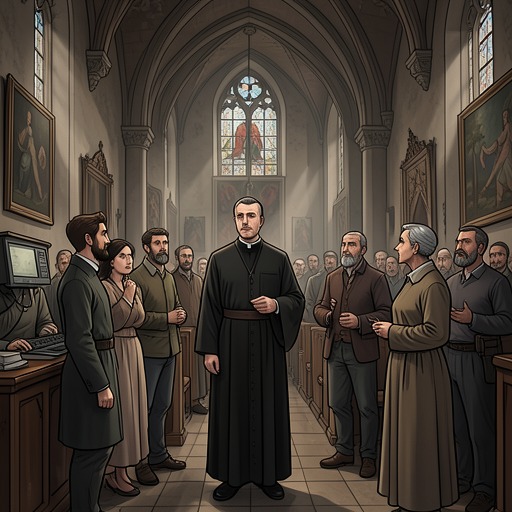
[Vittoria](entity:character-recall-character-vittoria-fe5f75dc3454) brings Giovanna into the crowded parish church, where [Don Giacomo](entity:character-recall-character-don-giacomo-873297bf6bbd) is speaking. As a tall, striking young man named [Roberto](entity:character-recall-character-roberto-951125a95b43) stands to address the gathering, Giovanna feels an immediate physical shock and knows she has fallen in love. The feeling is so absolute that she imagines only the possibility of being close to him can keep her alive.
After the talk, Vittoria introduces Giovanna to Roberto and [Giuliana](entity:character-recall-character-giuliana-0e46c84fef64). Roberto asks about her reading and praises her intelligence, but Giovanna is too overwhelmed to speak freely. She leaves the church in a daze, barely caring how to get home, while Vittoria’s world becomes in her eyes the route to the person she wants most.
not long after Giovanna meets Roberto
The Parish Discussions End
Giovanna runs into [Don Giacomo](entity:character-recall-character-don-giacomo-873297bf6bbd) in Piazza Vanvitelli and asks when [Roberto](entity:character-recall-character-roberto-951125a95b43) will speak again. The priest says the parish discussions have ended because his superiors and some parishioners objected. He has a rash on his hands and explains that obedience to unwanted demands can affect the mind and the body.
Their conversation introduces Giovanna to a different account of faith and authority. Don Giacomo encourages her to fight pride, act with kindness and fairness, and try to honor her parents, though she admits she no longer understands them. His departure from the parish also removes the regular setting where she might have seen Roberto.
the months after the first church meeting
A Friendship with Roberto
Giovanna begins seeing [Roberto](entity:character-recall-character-roberto-951125a95b43) occasionally in the company of [Giuliana](entity:character-recall-character-giuliana-0e46c84fef64). Their meetings are brief, but they give her a reason to read more widely and prepare questions. She tries to become someone worthy of his respect, imagining that intellectual attention might offer a path out of her self-disgust.
Giuliana becomes a friend and confidante, and Giovanna listens as she describes her love for Roberto and her fears about their future. Roberto’s absence in [Milan](entity:location-recall-location-milan-15a5d3d0bc36) and [Vittoria](entity:character-recall-character-vittoria-fe5f75dc3454)’s objections to the couple’s plans leave Giuliana anxious. Giovanna increasingly identifies with both women: she wants Roberto near, but also wants to help Giuliana keep the relationship that has transformed her life.
during Giovanna’s growing friendship with Giuliana
Angela and Giuliana Compete
[Angela](entity:character-recall-character-angela-8ec06be0ea1a) becomes jealous as Giovanna grows closer to [Giuliana](entity:character-recall-character-giuliana-0e46c84fef64) and [Roberto](entity:character-recall-character-roberto-951125a95b43). She suspects that Giuliana is using her friends to improve her standing and proposes testing Roberto’s fidelity by acting seductively toward him. Giovanna angrily rejects the plan, unable to tolerate the thought of Angela turning Roberto into another man whose desire must be measured.
Their disagreement exposes the different ways the girls understand love and sex. Angela treats desire as evidence that men are easily led; Giovanna clings to the possibility that Roberto is unlike the men she has encountered. The friendship remains affectionate but increasingly strained by jealousy, rivalry, and Giovanna’s concentration on a world Angela cannot enter on the same terms.
the first meeting at Piazza Amedeo
Roberto and Giovanna’s Debate
At a meeting in Piazza Amedeo, Giovanna sits silently until [Roberto](entity:character-recall-character-roberto-951125a95b43) asks what she has been reading. She launches into an account of the Gospels, arguing that their story is terrible: Jesus’s miracles seem pointless, the Father does not spare him suffering, and divine obedience appears cruel. The prepared reading notes she once made for this opportunity pour out as a fierce, extended challenge.
Roberto answers that God cannot be made easy or fully understood, and compares divine presence to the jolt poetry can produce from ordinary words. Giovanna refuses a simple resolution, insisting that she cannot accept a Father who subjects his son to suffering. Their exchange leaves her feeling that Roberto has listened and argued with her as an equal, while intensifying her desire to speak with him again.
the evening after the Piazza Amedeo meeting
Vittoria’s Anger Afterward
Giovanna calls [Vittoria](entity:character-recall-character-vittoria-fe5f75dc3454), who erupts in anger after learning about the meeting between Giovanna, [Giuliana](entity:character-recall-character-giuliana-0e46c84fef64), and [Roberto](entity:character-recall-character-roberto-951125a95b43). Vittoria accuses Giovanna of placing herself between the engaged couple and suggests that she is becoming as arrogant as [Andrea](entity:character-recall-character-andrea-9846246a92e3). Giuliana takes the phone and cuts off her godmother’s attack.
Giuliana then tells Giovanna that Roberto is enthusiastic about her and asks to meet again the next day. The invitation gives Giovanna a new prospect of closeness, but Vittoria’s rage exposes how threatening she finds Giovanna’s growing bond with Giuliana and Roberto. Giovanna remains unable to tell whether her aunt is protecting Giuliana or trying to control her.
after the first conversation with Roberto
Giovanna’s Religious Disquiet
Giovanna reads the Gospels again, hoping to understand what [Roberto](entity:character-recall-character-roberto-951125a95b43) believes. Instead, the stories of surveillance, suffering, betrayal, and Christ’s death horrify and anger her. She rejects the image of God as a father who watches fragile creatures endure pain and fails to spare his own son.
The reading sharpens her conflict between faith and disbelief. She is drawn to Roberto’s religious seriousness but cannot accept a simple reverence for divine authority. Her reading also changes how she sees her own parents: she finds herself on the side of those who suffer under power, especially [Nella](entity:character-recall-character-nella-0c2f30894467), rather than on the side of the father who seems able to justify his choices with grand explanations.
later in the same school year
Tonino’s Cinema Fight
Giovanna goes to the movies with [Angela](entity:character-recall-character-angela-8ec06be0ea1a), [Giuliana](entity:character-recall-character-giuliana-0e46c84fef64), and [Tonino](entity:character-recall-character-tonino-b089f966f6f1). When boys behind them harass the girls, Angela asks Tonino to intervene. He first tries to move seats, but when the boys mock him, he explodes, slaps Angela, and attacks the ringleader with startling violence.
Giuliana and Giovanna pull him away before he can continue the assault. Later Giuliana says Tonino sometimes cannot see straight, and Giovanna wonders whether overwhelming love or anger blinds everyone at some point. Tonino calls Giovanna that night to apologize and says he is leaving for [Venice](entity:location-recall-location-venice-0377938b8d6a) because otherwise he will throw his life away; he does not want [Roberto](entity:character-recall-character-roberto-951125a95b43) to know what happened.
the night Tonino leaves Naples
Nella and Mariano Reappear
After the cinema incident, Giovanna returns home to find [Nella](entity:character-recall-character-nella-0c2f30894467) dressed to go out with [Mariano](entity:character-recall-character-mariano-685c1a243e3c). Their appearance together forces her to confront the possibility that the adult relationships around her are not settled or honest, though Nella insists that there has never been anything between them. Giovanna recognizes how little she can know about what happens inside the adults’ private lives.
The scene marks a shift in her approach to growing up. She can no longer preserve clear categories of faithful and unfaithful, refined and vulgar, loving and cruel. The adults’ bodies and choices are part of the same confused world she has been trying to observe from outside.
the following school year
The Pencil Incident
At school, Giovanna hears that Silvestro has described her body in a degrading sexual joke. She is humiliated and furious, and when she encounters him in the hallway she drives a pencil into his arm. She claims it was an accident, unwilling to reveal the insult that provoked her.
The school summons her parents. [Andrea](entity:character-recall-character-andrea-9846246a92e3) charms the principal and then defends Giovanna, saying she must have had a reason for her action and that boys should be held responsible. His skillful intervention helps her, but it also revives her admiration for him and her anger at herself for admiring a father she believes has betrayed her and [Nella](entity:character-recall-character-nella-0c2f30894467).
after the principal meeting
Giovanna Returns to Her Friends

In the car after the school meeting, Giovanna accuses [Andrea](entity:character-recall-character-andrea-9846246a92e3) of winning the principal’s favor rather than simply defending her. He tries to restore their closeness, and she tells him that she will make up her lost year and stop seeing [Vittoria](entity:character-recall-character-vittoria-fe5f75dc3454), though she will remain in contact with [Margherita](entity:character-recall-character-margherita-45022f15da1b)’s children. When he admits he does not remember Margherita’s name, Giovanna sees how completely he has shut out his sister’s life.
Andrea is intrigued when Giovanna mentions [Roberto Matese](entity:character-recall-character-roberto-matese-e05a70d60d75) and recognizes him as a promising scholar whose essays appear in an important Catholic journal. He encourages Giovanna to pursue the acquaintance and suggests she should also return to [Angela](entity:character-recall-character-angela-8ec06be0ea1a) and [Ida](entity:character-recall-character-ida-af62302a8868). Giovanna accepts an invitation to [Posillipo](entity:location-recall-location-posillipo-c8f17aa976c7), where she and her old friends begin to repair their relationship.
the weeks after the reconciliation with Angela
Giuliana’s Confidence in Giovanna
Giovanna and [Angela](entity:character-recall-character-angela-8ec06be0ea1a) reconnect, though Angela’s relationship with [Tonino](entity:character-recall-character-tonino-b089f966f6f1) is weakening. [Giuliana](entity:character-recall-character-giuliana-0e46c84fef64) tells Giovanna that [Roberto](entity:character-recall-character-roberto-951125a95b43) considers her extraordinary and that his admiration has helped her believe in her own capacity to change. Giovanna is pleased by the praise but still doubts whether it reflects real insight or politeness.
Giovanna walks with Tonino and learns more about his private architectural studies and his admiration for Roberto. She asks to meet Roberto again, and Tonino agrees to pass along her number. Giuliana then calls directly to arrange another meeting. Giovanna’s hoped-for friendship with Roberto is becoming real, even as her feelings for him remain far more intense than she admits.
the next Sunday after Giuliana calls
The Meeting in Piazza Amedeo
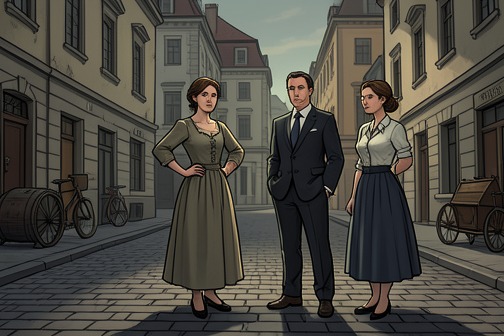
Giovanna meets [Giuliana](entity:character-recall-character-giuliana-0e46c84fef64), [Roberto](entity:character-recall-character-roberto-951125a95b43), and [Angela](entity:character-recall-character-angela-8ec06be0ea1a) in Piazza Amedeo. Roberto is quieter and more ordinary than the commanding speaker she remembers, while Giuliana is anxious to present her friends as respectable girls from the [Vomero](entity:location-recall-location-vomero-634e4f9fb11a). Giovanna resents being displayed and falls silent, but when Roberto asks about her reading she argues passionately about the Gospels and the suffering they depict.
Roberto responds seriously, saying that faith is a mystery and that people may have to change the world, even challenge God, to move forward. Giovanna’s words hold his attention, and he later says he remembers her because of the force she puts into speech. The conversation makes her feel recognized, while she leaves with a renewed sense that she wants to speak with him again and again.
after the Piazza Amedeo meeting
Giovanna Returns to Vittoria
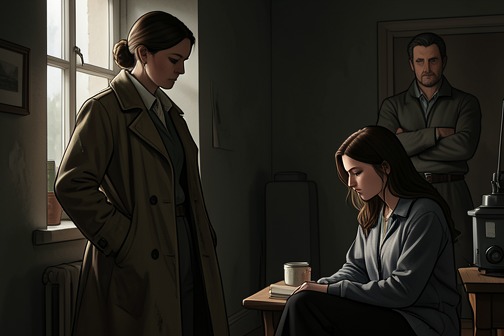
Giovanna tells [Nella](entity:character-recall-character-nella-0c2f30894467) she has visited [Vittoria](entity:character-recall-character-vittoria-fe5f75dc3454) rather than gone to Caserta, and Nella is upset but asks what happened. Giovanna avoids mentioning [Roberto](entity:character-recall-character-roberto-951125a95b43) and talks instead about the church discussions. She later learns that [Andrea](entity:character-recall-character-andrea-9846246a92e3) has resumed contact with [Mariano](entity:character-recall-character-mariano-685c1a243e3c) and challenges Nella’s distinction between her father’s civilized friend and his sister.
The encounter strengthens Giovanna’s desire to see Roberto and her belief that Vittoria’s world has brought her closer to him. But her mother has already called Vittoria and told her to leave Giovanna alone. Vittoria responds with fury, leaving Giovanna afraid that she has lost both her aunt’s affection and her only route to Roberto.
the months after the first Piazza Amedeo conversation
Giovanna Studies the Gospels
[Andrea](entity:character-recall-character-andrea-9846246a92e3) gives Giovanna an edition of the Gospels with commentary and then an old Greek volume, treating her request as an invitation to study. He also asks [Nella](entity:character-recall-character-nella-0c2f30894467) to help with administrative documents, and she does so despite her exhaustion. Giovanna recognizes that both parents remain entangled in one another’s lives even while their marriage is broken.
[The Gospel](entity:object-recall-object-ba5f3c90f8b2) stories intensify her revulsion at a father who demands obedience and permits suffering. She imagines that God’s treatment of Jesus is worse than Andrea’s treatment of his family. Her religious search is therefore not a straightforward conversion: she wants to understand [Roberto](entity:character-recall-character-roberto-951125a95b43)’s faith but reads from the side of the wounded and distrustful.
the weekend of Giovanna’s sixteenth birthday
A Birthday Trip to Milan
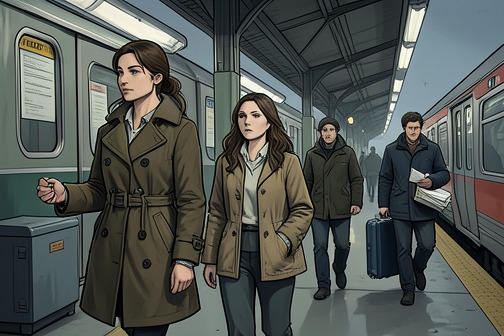
[Giuliana](entity:character-recall-character-giuliana-0e46c84fef64) invites Giovanna to travel with her to [Milan](entity:location-recall-location-milan-15a5d3d0bc36) to visit [Roberto](entity:character-recall-character-roberto-951125a95b43). Although the trip conflicts with the family birthday gathering [Nella](entity:character-recall-character-nella-0c2f30894467) has arranged, Giovanna insists on going, believing that Roberto matters more than the old rituals of home. On the overnight train, Giuliana confides that Roberto was the one who suggested Giovanna accompany her.
Giuliana tells Giovanna that the bracelet came from her own grandmother and that [Enzo](entity:character-recall-character-enzo-e10ddc20fe9d) stole it from the dying woman to give to [Vittoria](entity:character-recall-character-vittoria-fe5f75dc3454)’s mother. The revelation reveals that the object is not simply a family gift but evidence of selfishness and pain across generations. Giovanna sees why Vittoria both claims and rejects the bracelet, even as she continues to feel its pull.
Giovanna’s sixteenth birthday
A Day in Roberto’s Milan
[Roberto](entity:character-recall-character-roberto-951125a95b43) meets [Giuliana](entity:character-recall-character-giuliana-0e46c84fef64) and Giovanna at the station and takes them to his cluttered [Milan](entity:location-recall-location-milan-15a5d3d0bc36) apartment. Giovanna watches how easily Giuliana inhabits the role of fiancée, tending to the apartment and speaking with authority about Roberto’s work. She feels both admiration and envy as Roberto leads them through the city, explaining its buildings and history.
The day unsettles Giovanna because Roberto’s learned walks resemble the outings she once shared with [Andrea](entity:character-recall-character-andrea-9846246a92e3). She wonders whether Roberto is another version of her father, a man whose knowledge could draw her into the role of adoring daughter. Yet his kindness and attention repeatedly restore her excitement, and she wants to become a woman he loves rather than merely a pupil who listens.
the evening of Giovanna’s sixteenth birthday
The Birthday Dinner
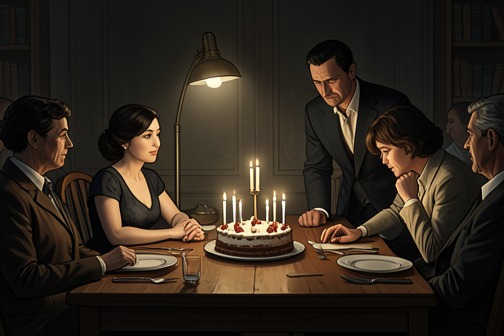
[Roberto](entity:character-recall-character-roberto-951125a95b43) invites [Giuliana](entity:character-recall-character-giuliana-0e46c84fef64) and Giovanna to dinner with his university circle, despite Giovanna’s hesitation. The gathering debates injustice, violence, law, and the moral responsibilities of those who witness suffering. [Michela](entity:character-recall-character-michela-4e04366993e1) speaks forcefully about an atrocity, and Giuliana, distressed by the way Michela commands Roberto’s attention, blurts out that stabbing the perpetrator would solve the problem.
Roberto reframes the exchange around persistent resistance rather than violent retaliation. Giovanna offers an image of the fool who refuses to keep giving God what is already abundant and instead gives it to the widow, orphan, and stranger. The group responds to her words, and Roberto announces her birthday; the dinner ends with a cake and sixteen candles. Giovanna experiences the evening as an unexpected welcome into the circle that surrounds him.
the night of Giovanna’s sixteenth birthday
The Night on the Sofa
Back at [Roberto](entity:character-recall-character-roberto-951125a95b43)’s apartment, [Giuliana](entity:character-recall-character-giuliana-0e46c84fef64) chooses to sleep with him, leaving Giovanna on the sofa. Giovanna hears the couple moving and laughing behind their bedroom door and struggles with jealousy, desire, and the awareness of her virginity. She tells herself she is only their friend, yet imagines what happens between them and feels increasingly excluded.
In the morning, Giovanna brings coffee into the bedroom and finds Giuliana bare-shouldered beside Roberto, visibly happy. The scene turns Giovanna’s planned role as helpful friend into a painful witness to the couple’s intimacy. Roberto tells her she is very beautiful, a brief compliment that becomes a powerful source of hope and confusion.
the train journey home from Milan
Giuliana’s Fear of Losing Roberto
On the return trip, [Giuliana](entity:character-recall-character-giuliana-0e46c84fef64) talks at length about how much more she needs [Roberto](entity:character-recall-character-roberto-951125a95b43) than he needs her. She fears that a woman such as [Michela](entity:character-recall-character-michela-4e04366993e1) could take her place and says she would kill herself if Roberto left. Giovanna listens patiently, reassuring her that Roberto has chosen her and will remain faithful.
Giovanna’s own thoughts run beside Giuliana’s account: Roberto’s compliment may have been only kindness, but she wonders whether he truly saw beauty in her. She promises to support Giuliana until she is married and living in [Milan](entity:location-recall-location-milan-15a5d3d0bc36), even as the praise she received makes that promise emotionally unstable.
near the end of the train journey from Milan
The Bracelet Goes Missing
[Giuliana](entity:character-recall-character-giuliana-0e46c84fef64) discovers that the bracelet is missing and panics, searching her belongings and fearing [Vittoria](entity:character-recall-character-vittoria-fe5f75dc3454)’s reaction. She calls [Roberto](entity:character-recall-character-roberto-951125a95b43) from the station and learns that she left it in his kitchen. Relief quickly turns back to suspicion: Giuliana wonders whether [Michela](entity:character-recall-character-michela-4e04366993e1) will take the bracelet or claim whatever Roberto values.
As Giuliana anxiously twists her hair, clumps come away in her fingers. A small patch of scalp appears, and she fears she is dying. Giovanna tries to calm her, then advises her to hide the bracelet’s loss from Vittoria and let Giuliana rest. The episode makes visible the physical cost of Giuliana’s fear and places the bracelet once more at the center of her uncertainty.
the same day as the return from the first Milan trip
Giovanna Returns to Milan Alone
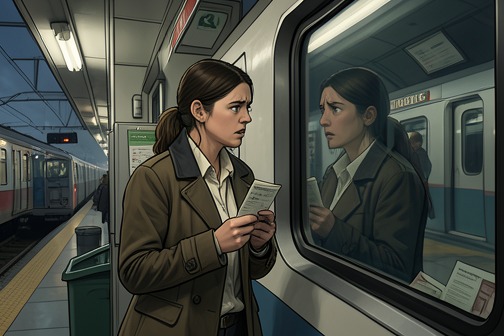
Giovanna buys a second ticket to [Milan](entity:location-recall-location-milan-15a5d3d0bc36), telling herself that she is going to recover the bracelet and help [Giuliana](entity:character-recall-character-giuliana-0e46c84fef64). Beneath those explanations lies a more dangerous intention: she wants to be near [Roberto](entity:character-recall-character-roberto-951125a95b43) and possibly take the place she has seen Giuliana occupy. On the train, she finally admits to herself that she is betraying her friend and becoming like the relatives who have hurt one another.
She recognizes the resemblance between her planned betrayal and the acts of [Vittoria](entity:character-recall-character-vittoria-fe5f75dc3454) and [Andrea](entity:character-recall-character-andrea-9846246a92e3), but she still feels that Roberto’s compliment has given her a claim to a different life. The beauty he said he saw in her begins to feel inseparable from the capacity to wound others. She arrives in Milan knowing that she is going to act against Giuliana’s trust, even if she cannot yet decide what she will do.
that night in Milan
Giovanna Refuses Roberto’s Bed
[Roberto](entity:character-recall-character-roberto-951125a95b43) does not meet Giovanna at the station but welcomes her at his apartment, where they eat and discuss his work on compunction. He gives her the bracelet without ceremony and speaks as if [Giuliana](entity:character-recall-character-giuliana-0e46c84fef64)’s absence from his life is unremarkable. Giovanna feels herself drawn into the intellectual intimacy she has wanted, imagining that she is necessary to him.
When Roberto offers to let her sleep with him, Giovanna realizes that she wants more than sexual access. She wants his respect and a genuine conversation about suffering, conscience, and God. She refuses the bed and sleeps clothed on the sofa, understanding that he may believe she has returned for sex while she is seeking a more profound recognition.
the morning after Giovanna’s second trip to Milan
The Bracelet Returns to Giuliana

Back in [Naples](entity:location-recall-location-naples-13ce8e2c4961), Giovanna learns that she has been promoted with excellent grades. [Mariano](entity:character-recall-character-mariano-685c1a243e3c) is visiting [Nella](entity:character-recall-character-nella-0c2f30894467) and congratulates her, then asks about [Roberto](entity:character-recall-character-roberto-951125a95b43) and his work on compunction. Giovanna leaves the room and soon calls [Ida](entity:character-recall-character-ida-af62302a8868), whose father answers and says that [Vittoria](entity:character-recall-character-vittoria-fe5f75dc3454) has visited the [Posillipo](entity:location-recall-location-posillipo-c8f17aa976c7) home.
Giovanna discovers that [Andrea](entity:character-recall-character-andrea-9846246a92e3) and Vittoria have resumed contact because [Costanza](entity:character-recall-character-costanza-a23c36f04d5a) needs care and Vittoria has been offered work. Their reconciliation is practical rather than affectionate, but it begins to bridge the long estrangement. Andrea credits Giovanna with acting as a bridge between siblings, while Giovanna rejects his claim that she is clever like him and calls him by his first name.
the afternoon after Giovanna returns from Milan
Giovanna and Ida’s Pact
Giovanna meets [Ida](entity:character-recall-character-ida-af62302a8868) in the [Floridiana](entity:location-recall-location-floridiana-e77ffd1bfab5) after learning that Ida has failed her year. Ida says she is not ashamed and wants to leave school to write; she has also tried to make herself unworthy by sleeping with a married man, an experience she found repulsive. Giovanna suggests going to [Venice](entity:location-recall-location-venice-0377938b8d6a) to see [Tonino](entity:character-recall-character-tonino-b089f966f6f1), and Ida agrees to consider it.
Ida reads Giovanna a story about a younger girl secretly listening as two older girls share a bed and then crying because she feels unloved. The story echoes Giovanna’s own history with [Angela](entity:character-recall-character-angela-8ec06be0ea1a) and their childhood intimacy. Giovanna comforts Ida with a kiss, and the two girls begin to imagine leaving together and becoming adults on their own terms.
the next morning at Margherita’s home
Vittoria’s Advice About Desire
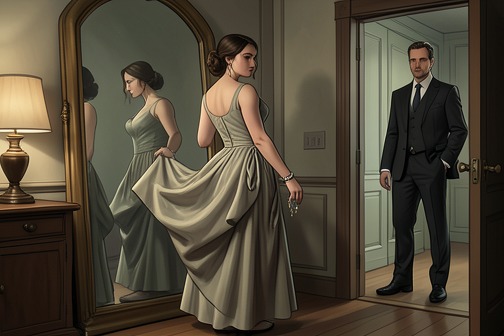
Giovanna brings the bracelet back to [Margherita](entity:character-recall-character-margherita-45022f15da1b)’s home, hoping to see [Giuliana](entity:character-recall-character-giuliana-0e46c84fef64) privately, but [Vittoria](entity:character-recall-character-vittoria-fe5f75dc3454) is there. Vittoria praises Giovanna’s loyalty to Giuliana and reveals that she is moving to [Posillipo](entity:location-recall-location-posillipo-c8f17aa976c7) for a new job, though she fears the move will separate her from Margherita’s family.
Vittoria examines Giovanna in a mirror, raises her skirt, praises her figure, and urges her not to hide her body. She warns Giovanna to treat her virginity as precious and threatens to tell [Andrea](entity:character-recall-character-andrea-9846246a92e3) if she gives it away carelessly. Then Vittoria puts the bracelet back on Giovanna’s wrist, insisting that it has belonged to her since birth. Corrado enters and agrees that Giovanna is beautiful, reinforcing the attention that has become both desired and unsettling.
the days after the visit to Margherita
Giovanna Seeks Rosario
Giovanna asks Corrado for [Rosario](entity:character-recall-character-rosario-381ff2a9040d)’s number and tells him that she does not mind if [Vittoria](entity:character-recall-character-vittoria-fe5f75dc3454) and [Andrea](entity:character-recall-character-andrea-9846246a92e3) learn what she plans to do. She initially calls [Ida](entity:character-recall-character-ida-af62302a8868) about traveling to [Venice](entity:location-recall-location-venice-0377938b8d6a), then contacts [Tonino](entity:character-recall-character-tonino-b089f966f6f1), who says three people cannot stay in his small room but agrees to see them.
Rosario calls and asks Giovanna to come to his apartment on Via Manzoni. She agrees, wearing [Vittoria’s bracelet](entity:object-recall-object-vittoria-s-bracelet-5aa15a421ce7) but making no effort to dress attractively. Her decision is not driven by a clear desire for Rosario; she is searching for an experience that might make her feel powerful, adult, or deliberately degraded.
shortly before Giovanna leaves for Venice
Giovanna’s First Sex
[Rosario](entity:character-recall-character-rosario-381ff2a9040d) takes Giovanna to his nearly empty apartment on a rainy day. She sets limits, asking to remain dressed and refusing to let him touch her more than she can tolerate. Rosario is patient at moments but assumes that she will eventually submit to the familiar script of kissing and touching.
Their intercourse is awkward and painful; Giovanna tells him not to get her pregnant, and he finally penetrates her with a force that tears her hymen. She is physically hurt but feels oddly satisfied that the event has happened on her own terms, however imperfectly. Before leaving, she removes the bracelet and leaves it on the floor beside the bed, as if setting down a charm that has governed her choices.
the day after Giovanna’s encounter with Rosario
Giovanna and Ida Leave for Venice
The next day, Giovanna leaves for [Venice](entity:location-recall-location-venice-0377938b8d6a) with [Ida](entity:character-recall-character-ida-af62302a8868) to visit [Tonino](entity:character-recall-character-tonino-b089f966f6f1). The trip follows a period of sexual confusion and family betrayal, but it also gives the girls a shared purpose beyond the adults’ competing demands. They promise each other that they will become adults in a way no one around them has managed.
The novel ends with that unresolved vow rather than a settled account of what adulthood will mean. Giovanna has crossed into sexual experience, recovered and relinquished the bracelet, and learned that love and harm can occupy the same family bonds. Her future remains open, but she and Ida are setting out together rather than waiting for their parents to define them.